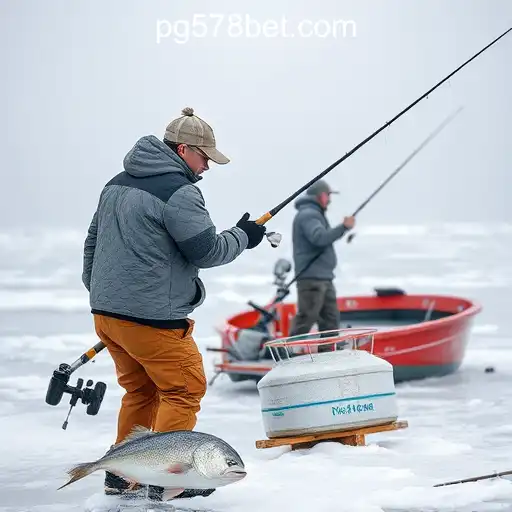
Fishing: A Timeless Tradition and Recreational Activity
Fishing, an activity dating back thousands of years, remains a popular pastime enjoyed by millions worldwide. Whether casting from the shore, sailing on a boat, or dropping lines through ice in the winter, fishing is a pursuit that blends skill, patience, and the thrill of the catch. Growing from a vital means of survival to a beloved recreational hobby, fishing continues to evolve in the modern age, attracting diverse audiences for both leisure and competition.
The Heritage and Evolution of Fishing
The history of fishing is deeply intertwined with human civilization. Archaeological findings indicate that humans have been fishing since the Paleolithic era, using rudimentary tools crafted from bones, wood, and stones. Over centuries, fishing techniques have advanced significantly, with innovations like the rod and reel, various types of bait, and sophisticated technology including sonar and GPS systems.
Today, fishing encompasses numerous methods including fly fishing, deep sea fishing, ice fishing, and commercial trawling. Each technique requires a distinct set of skills and gear, accommodating both novice anglers and seasoned fishermen. As the sport continues to grow, it has spawned a wide range of tournaments and its own subculture with dedicated communities and organizations worldwide.
Fishing as a Recreational Activity
For many enthusiasts, fishing is more than just a way to catch fish; it's an opportunity to connect with nature, experience tranquility, and enjoy quality time with family and friends. Anglers often cite the calming effect of being on the water, listening to the sounds of nature, and the sense of achievement that accompanies landing a prized catch.
Recreational fishing can be both a solitary and a social experience, providing avenues for individuals to enjoy serene solitude or engage in lively camaraderie. Fishing trips become occasions for storytelling, sharing tips, and creating memories, underscoring the community aspect of the sport.
Commercial Fishing and Its Global Impact
On a larger scale, fishing is a critical industry with a notable impact on the global economy and food supply. Large-scale commercial fishing supplies a significant portion of the world's fish consumption, employing millions of people in various fisheries-related roles. The industry supports coastal economies around the globe and drives technological and logistical innovations.
Despite its economic importance, commercial fishing faces challenges, such as resource sustainability and environmental concerns. Overfishing and bycatch, the incidental capture of non-target species, pose serious threats to marine ecosystems, prompting calls for regulation and sustainable practices to preserve oceans for future generations.
Regulations and Conservation Efforts
Given the ecological impact of fishing, regulatory bodies and conservation organizations play crucial roles in ensuring the preservation of aquatic environments. Governments and international bodies have established guidelines regarding catch limits, fishing seasons, and gear restrictions to help protect fish populations.
Efforts to promote sustainable fishing practices include the creation of marine protected areas, campaigns to raise awareness about responsible fishing, and innovations in bycatch reduction technology. These initiatives aim to balance the needs of the fishing industry with the imperative to maintain healthy ocean ecosystems.
The Role of Technology in Modern Fishing
Technology has transformed the fishing landscape, providing anglers with advanced tools to improve efficiency and success rates. Modern fishing boats may be equipped with state-of-the-art navigation systems, fish finders, and automated gear, drastically reducing the effort required to locate and capture fish.
Electronic lures, smart tackle systems, and mobile apps that identify fishing hotspots illustrate how technology is increasingly integrated into the fishing experience, catering to tech-savvy anglers and ensuring enhanced outcomes. However, purists often advocate for traditional methods, emphasizing skill and knowledge over technological reliance.
Fishing and Online Entertainment
The digital age offers a new frontier for fishing enthusiasts through online gaming platforms where players can experience virtual fishing adventures. Casino gaming sites like 578bet.com Oficial Slots Brasil #1 offer themed slots and games that capture the essence of fishing, combining the thrill of gambling with the excitement of angling. These platforms connect traditional hobbies with modern technology, appealing to a broad array of interests.
Online fishing games allow individuals who may not have access to physical fishing locations to engage with the sport. Players can practice strategies, explore diverse environments, and even compete in virtual fishing tournaments, highlighting the blend of recreation and innovation.
Conclusion
As fishing continues to evolve, it maintains its significance across cultures and communities, blending tradition with modern innovation. From enjoying a peaceful day by the water to navigating the complexities of commercial fishing, this multifaceted practice shows no signs of waning in popularity. With responsible stewardship and the integration of new technologies, fishing promises not only an enduring pastime but also a sustainable future. Whether in the real world or through online channels like 578bet.com Oficial Slots Brasil #1, the passion for fishing endures, celebrating a connection to nature and a love for adventure.